Busyness by Karie Luidens

Busytown.jpg

Not only have some of my past occupations been of questionable significance in the world, the fact that they kept me constantly busy means they actually prevented me from using my time to pursue activities I’d find more intrinsically meaningful, like painting and writing. 

To refer to a busywork-type office job as one’s “occupation” is actually rather funny when you consider the various meanings of “occupied.” If we’re “occupied” by our work, does that mean that we’re “invaded and ruled” (occupied territories), “in use” (an occupied bathroom stall), or just plain busy (a phone line that’s occupied)?

Writer Tim Kreider is less forgiving than Graeber in his assessment of most occupations in the modern American economy: 

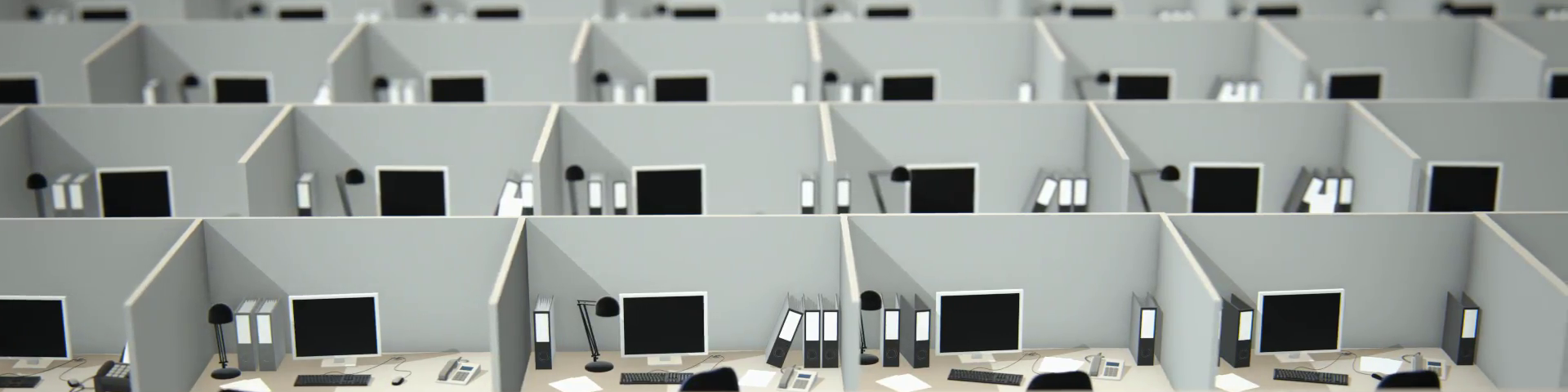
More and more people in this country no longer make or do anything tangible; if your job wasn’t performed by a cat or a boa constrictor in a Richard Scarry book I’m not sure I believe it’s necessary. 

And yet despite that fact, we act as if we’re busier than ever: 

If you live in America in the 21st century you’ve probably had to listen to a lot of people tell you how busy they are. It’s become the default response when you ask anyone how they’re doing: “Busy!” “So busy.” “Crazy busy.” It is, pretty obviously, a boast disguised as a complaint. And the stock response is a kind of congratulation: “That’s a good problem to have,” or “Better than the opposite.”

Notice it isn’t generally people pulling back-to-back shifts in the I.C.U. or commuting by bus to three minimum-wage jobs who tell you how busy they are; what those people are is not busy but tired. Exhausted. Dead on their feet. It’s almost always people whose lamented busyness is purely self-imposed: work and obligations they’ve taken on voluntarily.

But why? Why would we take jobs of questionable value and then choose to work so furiously at them that we’re chronically overextended? I tend to agree with his theory: 

Busyness serves as a kind of existential reassurance, a hedge against emptiness; obviously your life cannot possibly be silly or trivial or meaningless if you are so busy, completely booked, in demand every hour of the day.

Occupation by Karie Luidens

Occupations.jpg

As David Graeber put it, 

I would not presume to tell someone who is convinced they are making a meaningful contribution to the world that, really, they are not. But what about those people who are themselves convinced their jobs are meaningless? 

I don’t want anyone to take this as an attack on what they do for a living, so I’ll make this personal. Have I had jobs that were meaningless? 

Sure. For the last decade, I’ve worked on and off in various white collar positions that I found unfulfilling, contrived, or pointless. But I needed the paycheck. And society told me I was succeeding as a person simply because I’d managed to snag a nine-to-five job with benefits, and earned positive performance reviews from whoever oversaw me one rung up on the corporate ladder. I’d done it! Unlike many of my peers who graduated into the Great Recession, I wasn’t beholden to the panicky hustle of underemployment in the gig economy. I wasn’t destitute or desperate. As long as I continued to do as I was told, this corporation would safely insulate me from poverty. 

But aside from enabling me to pay my bills, did these various jobs serve a purpose? Did they address people’s immediate needs, make the world a better place, or enrich our culture? Did the work I did matter? 

Meh. 

Bullshit by Karie Luidens

Bullshit.png
Huge swathes of people, in Europe and North America in particular, spend their entire working lives performing tasks they secretly believe do not really need to be performed. The moral and spiritual damage that comes from this situation is profound. It is a scar across our collective soul. Yet virtually no one talks about it. 

...Well, David Graeber talks about it.

Fake by Karie Luidens

Fake.jpg

They say to fake it till you make it, right? So you do your best to find good and meaningful work to which you can dedicate your time and energies. But how do you know if you’re making it—making something of yourself, making something of value in the world, making a difference or whatever corny shit suits you? What if you never do? What if you wake up one day and look back only to realize you spent your whole life faking it? 

Fear by Karie Luidens

Lettuce.JPG

Which is the greater fear in all this? That my struggling garden will die, my farm job will exhaust me and lead nowhere, that I will fail. Or, that neither success nor failure will matter anyway, because nothing I do matters one way or another. None of it matters. I’m laboring long hours and sweating to death in the New Mexico heat trying to do something good and meaningful with my time. But for what? Nothing a single individual does with his or her life ever really matters in the grand arc of history because we’re all forgettable specks who sweat and strive only to accomplish nothing at worst or a speck at most, and then be swept away and forgotten for eternity. 

“Fear in all this”—what am I even referring to? This year? This blog project? This life. 

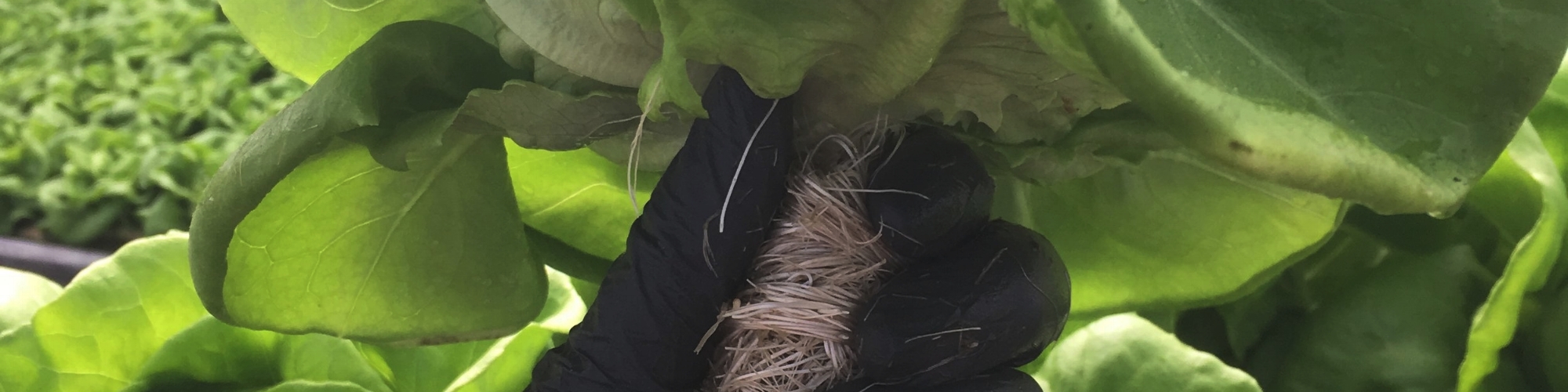
I don’t know. I’m drafting this post on my phone in the middle of a morning of harvesting hydroponic lettuce. How did I end up harvesting hydroponic lettuce in New Mexico? That was never part of any plan. This is surreal. I’m still wearing the sterile latex-free but latex-like gloves everyone on the farm crew is required to wear when packing fresh produce for market. Somehow my fingers can manipulate the phone’s touchscreen through the gloves, which is odd. I’m sure I’m not supposed to touch my phone mid-harvest. Who knows where it’s been. Everywhere. In both back pockets of my jeans. On counters and car seats. Pressed to my damp cheek. The world is incomprehensibly vast and threatening and meaningless. Always wash your lettuce, everyone. 

Tears by Karie Luidens

Tears.png

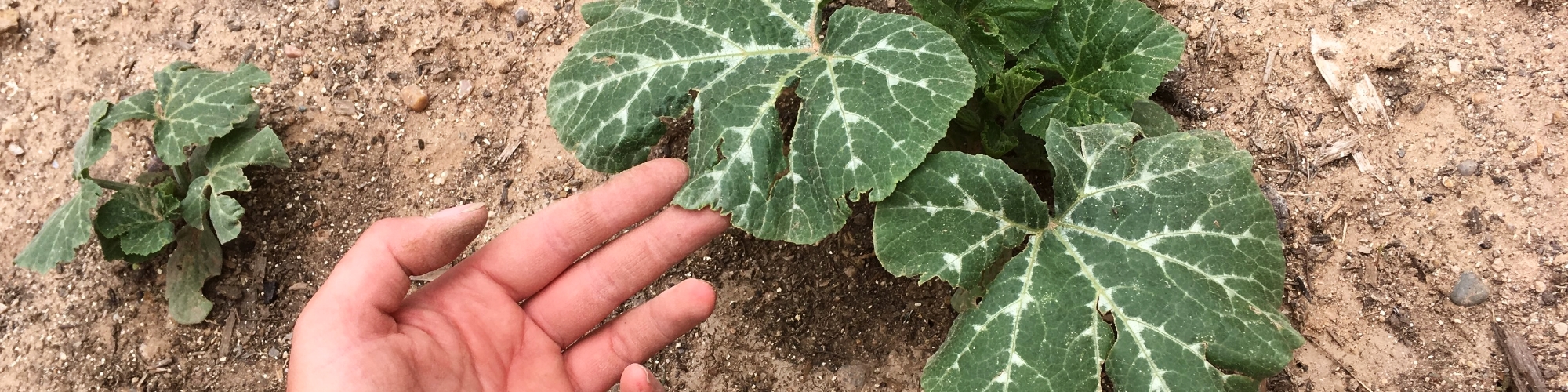
How strange it is that I’m attempting to delve into, explore, experience, and develop some small expertise in the most fundamental and vital of questions: how has humanity sustained its own existence on earth over the millennia, and how can it continue to do so in the face of coming environmental and societal challenges in the centuries ahead? And yet lost in that immense scope of wonder and worry, I can still be brought to tears by the death of a single seedling.

Clear by Karie Luidens

Clear.jpg

Even at my most exhausted (and scratched up and dirt-stained and bruised and sore), I haven’t lost my sense of clarity about why I’ve chosen to work on a small family farm this summer. 

I dedicated this year of my life to learning about food production and sustainable land management because I believe that these practices are not only at the heart of who we are as humans, our common roots as a species and the starting point of various cultural values, they’re also the practices that will be most vital to humanity’s survival going forward. 

In my lifetime, we’ll be forced to cope with an ongoing population explosion, climate change, political unrest in democracies and dictatorships alike, and economic shifts toward automation and globalization. The growth and distribution of food is at the intersection of these massive challenges. Food will be key to every individual’s well-being, and every community’s justice and peace. 

Most Americans have grown complacent about food. Unlike our agrarian ancestors or the current lives of subsistence farmers around the world, we’ve had the luxury of taking food for granted while we go about our busy lives. Organic and locavore movements are a start, but they’re still largely upscale trends, not serious plans to ensure everyone has uninterrupted, affordable access to healthy sustenance as society evolves in the long term. I’m very much a part of this: moderately informed, self-congratulatory about buying greens at the farmer’s market when it’s convenient, and otherwise content to live off of cheaper conventional products despite the fact that I know their ingredients are grown in unsustainable conditions half a continent or more away. 

For years I’ve taken an interest, on and off, in pursuing a more environmentally friendly and socially ethical lifestyle for myself. I say I want to help the planet and the population, but rarely go beyond signing a petition, attending a rally, paying a few extra dollars for the organic version of vegetables, and turning off lights when I leave a room. What actual impact am I having? It’s not nearly enough. 

I want to do more. I want to be as knowledgeable and as skilled as possible, to proactively prepare for the global challenges ahead, even on the tiny scale of one person’s worth of knowledge and skill. It’s not much. Yet. But it’s a step in the right direction, one toward eventual problem-solving and even leadership on a larger scale, and who knows how far it will lead. 

Muddy by Karie Luidens

Sleepy.jpg

Lately I’ve been feeling pretty muddy-minded when I get off work. I’m drained. Exhausted. Mentally and physically. Nine hours of farm labor each day, starting at dawn and continuing straight through the midday heat? Two weeks in, I'm definitely still adapting. Although I will say that I’ve been sleeping like a rock each night.